Pets in a holiday apartment: rules, fees and safety
Allowing pets can increase demand, but it needs clear rules, extra cleaning and risk control for the apartment owner.

Accepting pets can open the listing to more guests, but only when the rules are clear before booking. Owners should know which pets are allowed, what the fee covers and what happens if there is damage or extra cleaning.
In brief
- Pet policy should be visible in the listing and house rules.
- The fee should reflect real extra cleaning and risk.
- Textiles, smell, sofas, rugs and safety for future guests matter most.
- The operator should document apartment condition after pet stays.
Is it worth accepting pets?
The decision depends on apartment standard, guest type and location. In family or holiday apartments, allowing a dog may increase bookings, while premium units may need stricter limits.
Unclear rules create the biggest problems. Guests must know whether pets are allowed, whether they must be declared, what size limits apply and whether there is an extra fee.
How to protect apartment standards
The house rules should cover leaving pets alone, responsibility for damage, beds and sofas, and cleaning after the animal. These rules must be simple and enforceable.
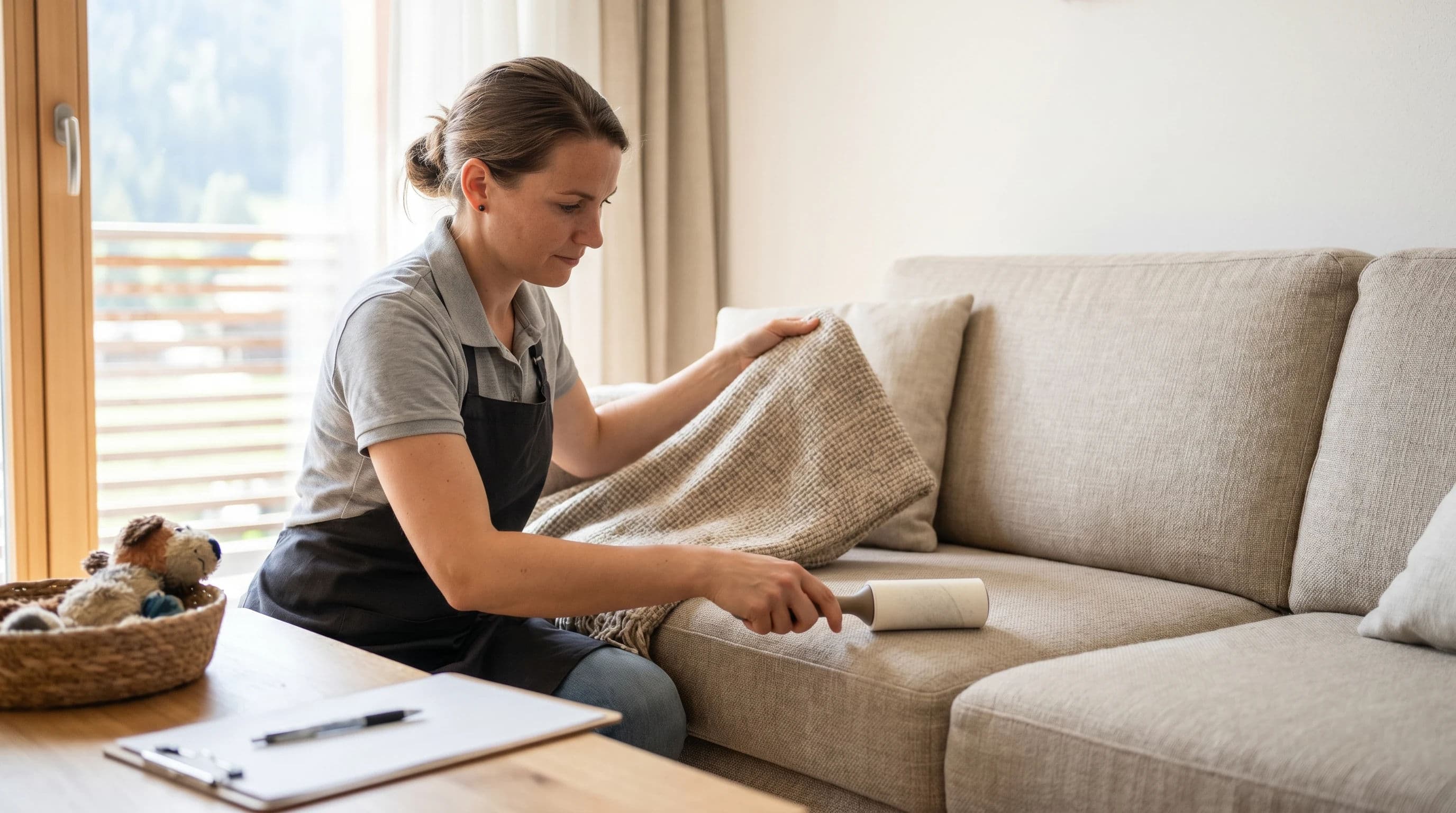
After the stay, the team should check smell, hair, textiles, rugs, upholstery and marks on floors or doors. Photos help, but a cleaning checklist is still needed.
How to set a pet fee
The fee should follow extra work and risk, not guesswork. If throws, upholstery and smell treatment are needed, that cost should be reflected.
Separate the standard pet fee from actual damage. This makes guest communication easier and reduces disputes.

What should the owner see?
Owners should see exceptions: damage, complaints, added cost or recurring issues. They do not need to manage each stay, but should understand the impact on reviews and performance.
FAQ
Should every apartment accept pets?
No. It depends on standard, equipment, target guests and cleaning quality.
Should pets carry a fee?
Usually yes when they add inspection, textile washing or longer cleaning.
How can damage be reduced?
With clear rules, condition documentation and quick exception reporting.